Product details description
In landscaping and hardscaping projects, water management is the single
most critical factor in ensuring the longevity of the design. Uncontrolled
runoff can wash away expensive topsoil, destabilize retaining walls, and drown
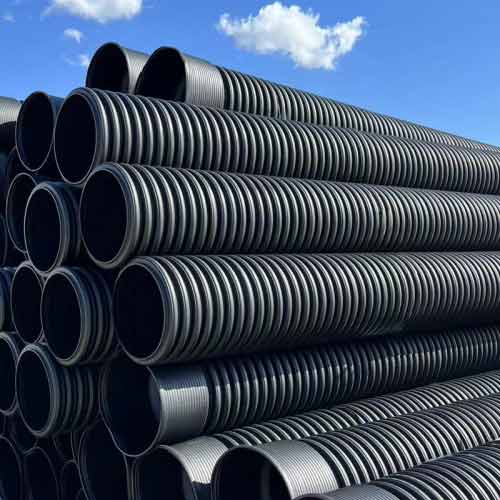
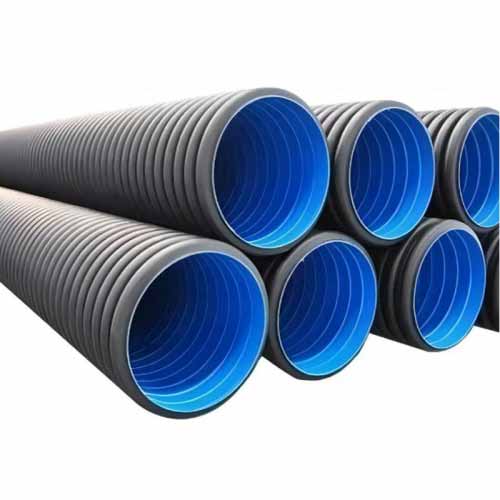
plantings. Corrugated pipes, often made from high-density polyethylene (HDPE) or
PVC, have become the industry standard for subsurface drainage because they
combine structural rigidity with flexibility. Unlike rigid PVC pipes that can
crack under ground movement, corrugated pipes can deflect slightly under soil
pressure without breaking, making them ideal for areas with shifting terrain or
heavy vehicle traffic above.
The primary function of these pipes in landscaping is to act as a "French
drain" or a conduit for diverting downspout water away from foundations. The
corrugated exterior creates small air gaps between the pipe and the surrounding
soil or gravel backfill. This allows water to enter the pipe not just through
the ends, but through perforations along the length (in the case of drainage
pipes) or via the joints. This 360-degree water intake prevents water buildup
around the pipe, which is the leading cause of soil saturation and subsequent
erosion.
Installation technique is vital to prevent the pipe from becoming a
clog-prone failure. Landscapers typically wrap the pipe in a geotextile fabric
"sock" before burying it. This fabric acts as a filter, keeping soil particles
and root hairs from entering the corrugations and blocking the flow. It is
crucial to slope the pipe correctly—usually a 1% grade (1 inch of drop per 8
feet of length)—to ensure gravity moves the water effectively. If the slope is
too flat, sediment settles inside the ridges of the pipe; if too steep, water
rushes through too quickly to carry debris, leading to blockages downstream.
Aesthetically, corrugated pipes are often hidden, but they can be
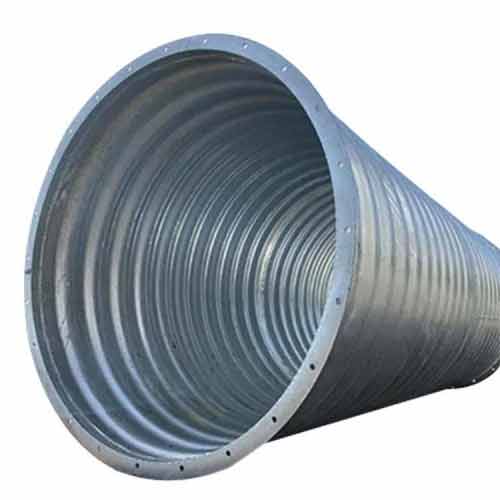
integrated into the design as an industrial-chic feature. In modern xeriscaping,
exposed corrugated metal downspouts are painted to match the trim or left as a
contrasting galvanized steel element. When burying them, it is essential to use
the correct bedding material. A layer of washed gravel (3/4 inch stone) should
surround the pipe to facilitate drainage and cushion the pipe from sharp rocks.
Backfilling directly with clay or heavy soil can crush the corrugations and
restrict water flow, defeating the purpose of the drainage system.
Finally, maintenance of corrugated pipe systems is often overlooked but
necessary for long-term performance. Over years, tree roots may seek the
moisture inside the pipe, and silt may accumulate in the low spots. Inspecting
the outlet points annually to ensure water is discharging freely is a simple
preventative measure. For critical areas like basement foundations, installing a
"clean-out" cap at the end of the pipe run allows for easy snaking or
hydro-jetting if a blockage occurs, ensuring the system remains a reliable
defense against water damage and erosion.
Previous article:
Corrugated Pipes : How Their Flexible Design Outperforms Rigid Alternatives
Next article:
Corrugation Pattern Strength Analysis: Pipe Wall Design and Load Distribution