Product details description
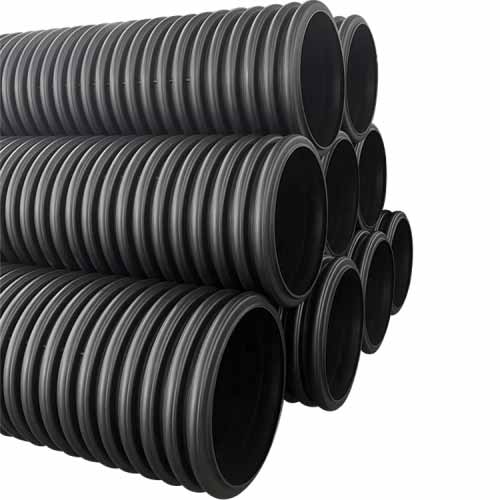
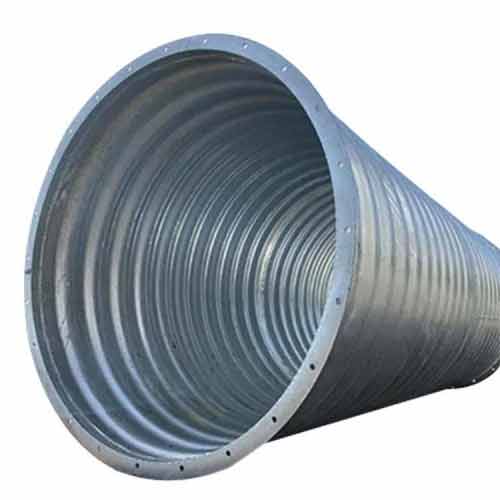
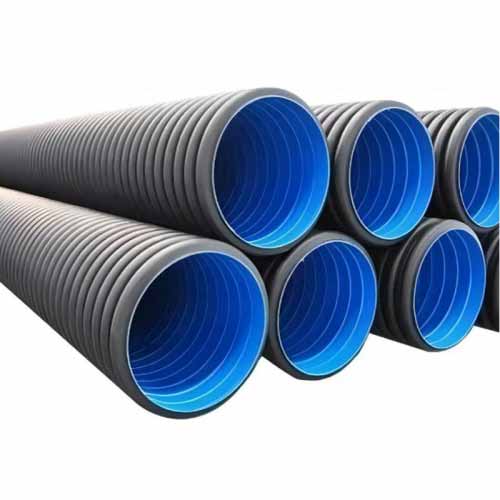
Corrugated pipes (often made of HDPE or galvanized steel) are a staple in
drainage, sewage, and industrial applications. While rigid concrete or PVC pipes
seem stronger on paper, the flexible nature of corrugated pipes offers distinct
engineering advantages in real-world scenarios.
Stress Distribution and Ground Movement
Rigid pipes rely on their material strength to bear loads. If the ground
shifts, settles, or freezes (frost heave), rigid pipes can crack or snap because
they cannot flex. Corrugated pipes, however, act like a spring. The annular
ridges allow the pipe to deflect slightly under earth pressure without
structural failure. This makes them ideal for areas with unstable soil or high
seismic activity.
Hydraulic Efficiency
The interior of a corrugated pipe is not smooth, but this actually creates
a turbulent flow that keeps sediment suspended, preventing clogs that often
plague smooth rigid pipes in low-flow environments. Furthermore, the large
diameter-to-weight ratio allows for high flow rates with less material.
Installation and Longevity
Rigid pipes require precise bedding and backfilling to prevent point
loading. Corrugated pipes distribute loads over a wider area (arching action),
meaning less precise excavation is needed. In terms of corrosion, HDPE
corrugated pipes are inert and immune to chemical attacks that degrade concrete
or steel over decades.
Previous article:
The Metal Corrugated Pipe has emerged as a premier choice in modern engineering due to its unique structural properties
Next article:
Corrugated Pipes in Landscaping: Managing Water Flow Without Erosion