Product details description
Perforated corrugated drainage pipes are essential components of water
collection and groundwater management systems, designed to efficiently channel
excess water away from soil, structures, and infrastructure. The unique
combination of a corrugated structure and perforations gives these pipes
exceptional strength, flexibility, and water collection capabilities, making
them suitable for a wide range of applications, including agricultural drainage,
residential and commercial landscaping, road construction, and environmental
remediation. By effectively managing groundwater levels and surface water
runoff, perforated corrugated drainage pipes help prevent soil erosion,
waterlogging, and structural damage, ensuring the stability and sustainability
of built and natural environments.
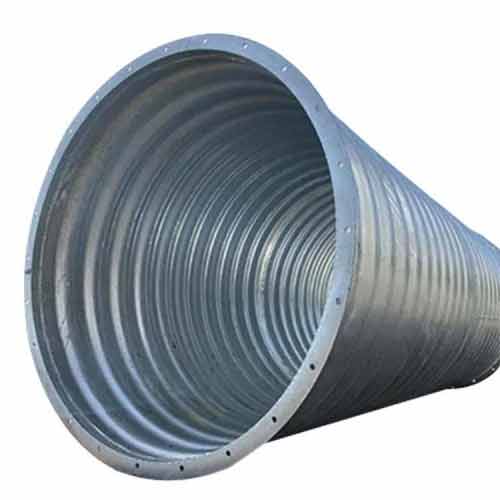
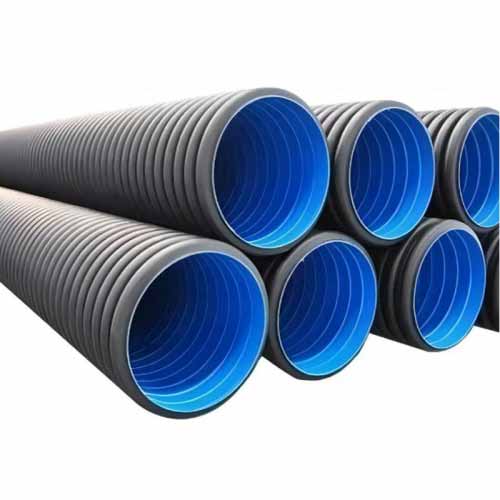
The corrugated structure of these drainage pipes is a key feature that
enhances their performance and durability. Unlike smooth-walled pipes,
corrugated pipes have a series of ridges and grooves that increase their
structural strength, allowing them to withstand heavy loads from soil, vehicles,
and construction equipment without collapsing. The corrugations also provide
flexibility, enabling the pipes to adapt to uneven terrain and minor ground
movements, reducing the risk of cracking or breaking. This combination of
strength and flexibility makes perforated corrugated drainage pipes ideal for
use in areas with unstable soil conditions or where ground settlement is likely
to occur.
Perforations are the critical element that enables water collection in
these drainage systems. The perforations—small holes or slits evenly distributed
along the length of the pipe—allow excess water from the surrounding soil to
seep into the pipe. The size, spacing, and pattern of the perforations are
carefully designed based on the specific application and soil type. For example,
in sandy soils with high water permeability, larger perforations may be used to
maximize water collection, while in clay soils with low permeability, smaller
perforations help prevent soil particles from entering the pipe and causing
clogging. The perforations are typically located on the lower half of the pipe
to ensure that only water (not soil or debris) is collected, maintaining the
pipe’s drainage efficiency.
Perforated corrugated drainage pipes play a vital role in various water
collection and groundwater management systems. In agricultural applications,
they are used to drain excess water from farmland, improving soil aeration and
crop yields by preventing waterlogging. In residential and commercial
landscaping, they help manage stormwater runoff, protecting lawns, gardens, and
building foundations from water damage. In road construction, they are installed
beneath road surfaces and alongside highways to drain water away from the
pavement, reducing the risk of potholes, cracks, and structural failure. In
environmental remediation projects, they are used to lower groundwater levels in
contaminated sites, facilitating the cleanup process by making contaminants more
accessible for treatment.
The installation and maintenance of perforated corrugated drainage pipes
are crucial to ensuring their long-term effectiveness. Proper installation
involves placing the pipes in a trench filled with a permeable material, such as
gravel or crushed stone, which helps filter out soil particles and prevents
clogging of the perforations. The trench should be sloped to ensure proper water
flow toward a discharge point, such as a storm drain, creek, or retention pond.
Regular maintenance includes inspecting the pipes for clogs, damage, or sediment
buildup and cleaning or repairing them as needed. By following proper
installation and maintenance practices, perforated corrugated drainage pipes
provide a reliable and cost-effective solution for water collection and
groundwater management, contributing to the sustainability and resilience of
communities and ecosystems.
Previous article:
Corrugated Pipe in Road Construction: Culvert Applications and Traffic Load Bearing
Next article:no more