Understanding Drainage Culvert Pipe Systems
Release time:2026-03-08 Click:7
Drainage culvert pipe systems represent essential infrastructure components that manage water flow beneath roads, railways, buildings, and other constructed surfaces, preventing water accumulation that could damage infrastructure or create safety hazards. These underground conduits collect and redirect surface water, groundwater, and stormwater away from critical areas, protecting foundations, roads, and landscapes from water damage that would otherwise compromise structural integrity and safety. The engineering of drainage culvert systems requires careful consideration of flow rates, soil conditions, load requirements, and environmental factors that influence pipe selection and installation methods. Municipal agencies, civil engineers, and construction professionals rely on properly designed culvert pipe systems to manage water challenges that affect virtually every construction project.
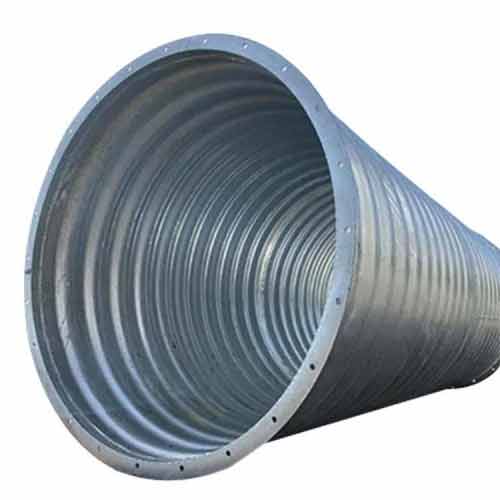
Materials available for drainage culvert pipes offer distinct performance characteristics suited to different application requirements and environmental conditions. Concrete culvert pipes provide exceptional durability and load-bearing capacity for highway, railway, and heavy-duty applications where structural strength is paramount, with precast sections enabling rapid installation while maintaining consistent quality. HDPE (high-density polyethylene) culvert pipes offer excellent corrosion resistance, flexibility, and lightweight construction that simplifies installation in challenging terrain or where seismic activity requires flexible infrastructure. PVC culvert pipes provide cost-effective solutions for residential and light-commercial applications, with smooth interior surfaces promoting efficient water flow while resisting chemical attack from soil and groundwater. Corrugated metal culvert pipes offer proven performance for temporary or permanent applications where rapid water conveyance is required.
Design considerations for drainage culvert pipe systems must address hydraulic performance, structural requirements, and environmental integration that ensure effective water management over extended service lives. Hydraulic calculations determine appropriate pipe diameters based on expected flow rates, with consideration of slope, inlet conditions, and outlet velocities that affect system performance. Structural design addresses earth loads, live loads from traffic or construction equipment, and groundwater pressures that influence pipe selection and installation requirements. Inlet and outlet structures including headwalls, wing walls, and aprons protect against erosion while maintaining smooth water flow transitions. Environmental considerations including fish passage requirements, habitat protection, and sediment management influence culvert design in sensitive ecological areas where infrastructure must balance human needs with environmental protection.
Installation and maintenance practices for drainage culvert pipe systems significantly influence their performance and longevity in water management applications. Proper bedding installation provides uniform support for pipe loads while enabling proper drainage away from the pipe structure. Jointing methods must ensure watertight connections that prevent infiltration of surrounding soil or exfiltration of conveyed water that could compromise surrounding infrastructure. Backfilling procedures must protect pipe integrity during construction while establishing adequate support for subsequent loading. Regular inspection and cleaning maintain hydraulic capacity by removing accumulated sediments, debris, or vegetation that might restrict water flow. Documentation of installation specifications, inspection findings, and maintenance activities supports asset management programs that optimize lifecycle performance while preventing costly failures that could disrupt transportation networks or damage adjacent properties.
Previous article:Underground Infrastructure Reliability Through Corrugated Pipe Steel
Next article:Single Wall Corrugated Pipe: Corrosion-Resistant for Underground Drainage Systems
Hot products
Mobile: +86 15369229308
Email:metalproducts2025@163.com
Email:565169797@qq.com