Engineered for Heavy Loads – Corrugated Steel Pipe
Release time:2026-03-03 Click:13
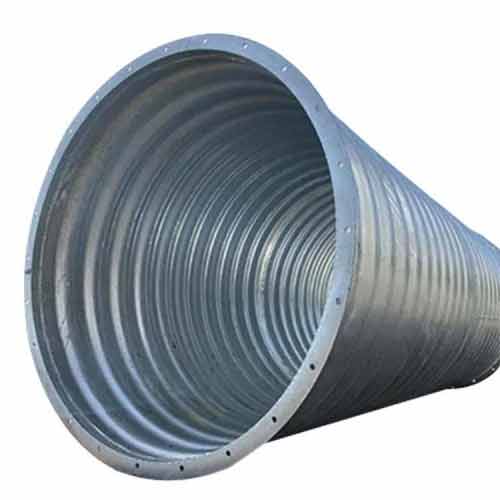
Corrugated steel pipe represents a pinnacle of engineering excellence in infrastructure construction, specifically designed to withstand substantial loads and harsh environmental conditions. These pipes feature a distinctive sinusoidal wave pattern along their length, which dramatically increases their structural strength while maintaining flexibility. The corrugation design distributes external pressure more effectively than smooth-walled pipes, making them ideal for applications ranging from highway drainage systems to pedestrian walkways. Modern manufacturing processes ensure precise corrugation patterns that meet strict industrial standards for load-bearing capacity.
The manufacturing process of corrugated steel pipe involves hot-rolling steel sheets and forming them into the characteristic corrugated profile using specialized equipment. The pipes are typically available in diameters ranging from 6 inches to over 10 feet, with wall thicknesses varying from 16 to 10 gauge depending on the application requirements. Steel grades commonly used include ASTM A36, A572, and A588, each offering different levels of corrosion resistance and structural integrity. The corrugation depth can range from 0.5 to 3 inches, with spacing patterns optimized for specific load requirements and installation conditions.
Applications for corrugated steel pipe span multiple industries and infrastructure projects. In civil engineering, they serve as culverts under roads and railways, providing reliable water flow management while supporting heavy traffic loads. Municipalities utilize them for storm water management systems, while agricultural applications include irrigation channels and drainage solutions. The petroleum industry employs corrugated steel pipe for underground pipeline protection and cable management. Their corrosion-resistant properties make them suitable for marine environments and industrial applications where exposure to chemicals and moisture is common.
The advantages of corrugated steel pipe extend beyond basic functionality to include economic and environmental benefits. Installation is typically faster and requires less excavation compared to concrete alternatives, reducing project timelines and labor costs. The material's recyclability contributes to sustainable construction practices, while its long service life minimizes maintenance requirements. Recent innovations include coating technologies that enhance corrosion protection, allowing for installation in more aggressive environments. Proper installation techniques, including bedding preparation and backfill compaction, ensure optimal performance and longevity of the pipe system.
Previous article:The Versatile Legacy of Plastic Pipe
Next article:Underground Infrastructure Reliability Through Corrugated Pipe Steel
Hot products
Mobile: +86 15369229308
Email:metalproducts2025@163.com
Email:565169797@qq.com