Product details description
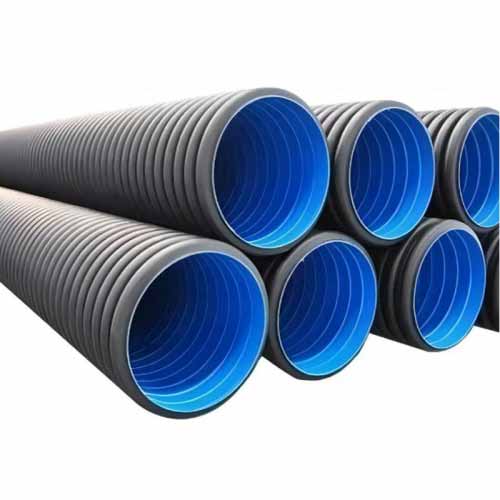
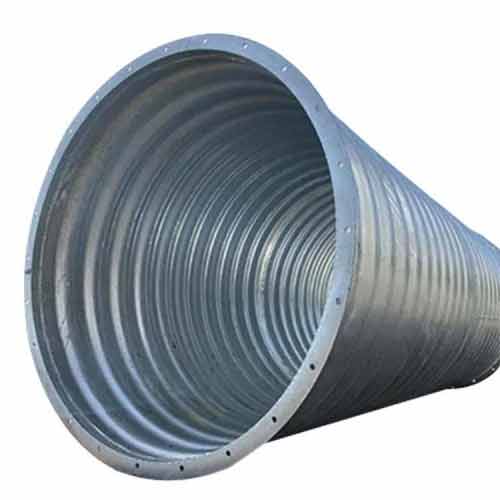
Corrugated pipes are indispensable components in modern road construction,
primarily serving as culverts that facilitate the controlled passage of water
beneath roadways, railways, or embankments. Their unique ribbed profile provides
exceptional structural rigidity while allowing for flexible installation across
uneven terrain. Unlike rigid concrete or steel pipes, corrugated
varieties—typically made from galvanized steel, aluminum, or high-density
polyethylene (HDPE)—can accommodate minor ground settlement without cracking or
collapsing. This adaptability makes them ideal for rural roads, highway
underpasses, and drainage systems in areas prone to soil erosion or seismic
activity.
The load-bearing capacity of corrugated pipes is a critical design
consideration, especially when installed beneath traffic lanes. Engineers must
evaluate factors such as pipe diameter, wall thickness, corrugation depth and
spacing, bedding material, and cover depth to ensure the structure can withstand
dynamic wheel loads from passenger vehicles, heavy trucks, or construction
equipment. Standards like AASHTO M170 and ASTM A761 provide guidelines for
calculating allowable live loads based on soil-structure interaction models. In
high-traffic zones, reinforced corrugated pipes with thicker walls or internal
stiffeners may be specified to prevent deformation or buckling under repeated
stress cycles.
Beyond hydraulic function, corrugated culverts contribute to environmental
sustainability by minimizing excavation volumes and reducing the need for
concrete footings or complex reinforcement. Their lightweight nature lowers
transportation and installation costs, while their modular design enables rapid
deployment during emergency repairs or seasonal flood mitigation projects.
Additionally, corrosion-resistant materials like HDPE or aluminum extend service
life in aggressive environments such as coastal regions or areas exposed to
de-icing salts, where traditional metal pipes would degrade rapidly.
Maintenance protocols for corrugated culverts focus on preventing
blockages, inspecting for corrosion or structural fatigue, and ensuring proper
backfill compaction. Regular cleaning removes sediment buildup that could
restrict flow and increase hydrostatic pressure. In agricultural or forested
settings, vegetation control around inlet/outlet points prevents root intrusion
and debris accumulation. Advanced monitoring technologies—including drone-based
inspections and embedded sensors—allow for real-time assessment of pipe
integrity and early detection of potential failures. As infrastructure demands
grow and climate resilience becomes paramount, corrugated pipes continue to
evolve as cost-effective, durable, and environmentally adaptive solutions for
roadway drainage systems.
Previous article:
Corrugated Pipe Fittings and Accessories: Connectors, End Caps, and Adaptation Hardware
Next article:
Perforated Corrugated Drainage Pipe: Water Collection and Groundwater Management Systems