Product details description
Corrugated pipe is a versatile product used for drainage, sewerage,
electrical conduits, and stormwater management. Its ribbed structure provides
high compressive strength with flexibility. The three primary materials—PVC,
HDPE, and metal (typically galvanized steel or aluminum)—each offer distinct
properties that determine their ideal applications.
PVC (Polyvinyl Chloride) corrugated pipe is lightweight, cost-effective,
and highly resistant to chemical and biological corrosion. It is the most common
choice for residential and light commercial drainage, such as foundation
perimeter drains, downspout extensions, and septic field lines. PVC pipes are
easy to cut and join using solvent cement or gasketed fittings. However, they
can become brittle in extreme cold, have a lower tolerance for continuous high
temperatures, and may degrade under prolonged UV exposure unless specifically
coated. Their flexibility is moderate, making them suitable for applications
with predictable, gradual bends.
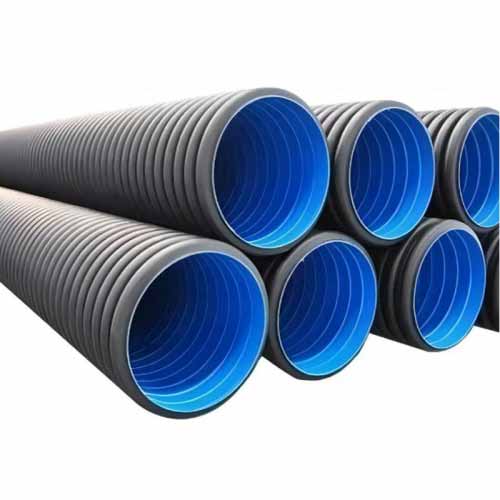
HDPE (High-Density Polyethylene) corrugated pipe is renowned for its
exceptional flexibility, impact resistance, and environmental stress crack
resistance. It can withstand significant ground movement and freezing/thawing
cycles without cracking, making it ideal for deep burial applications,
stormwater culverts, and agricultural drainage in unstable soils. HDPE is more
chemically resistant than PVC, especially to hydrocarbons. It is joined through
heat fusion, creating leak-proof, monolithic joints. While generally more
expensive than PVC, its durability and flexibility often justify the cost in
demanding environments. It is also highly recyclable.
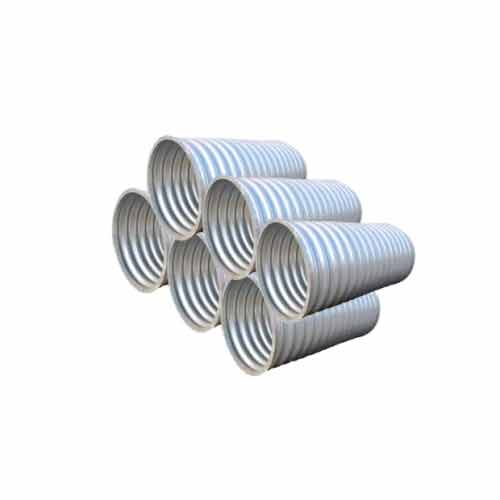
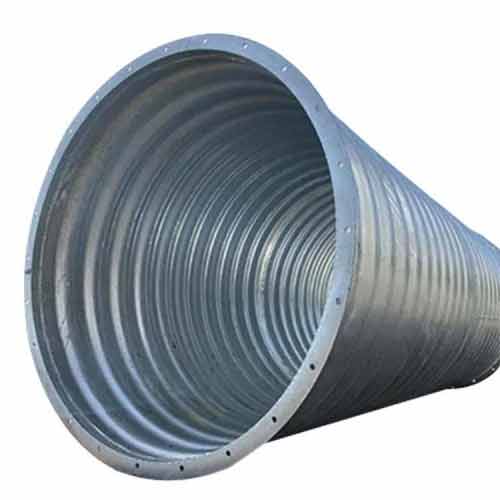
Metal corrugated pipes, made from galvanized steel or aluminum, are used
where extreme structural strength and resistance to crushing are required, such
as in heavy-load applications under highways, railways, and airport runways.
They are highly durable, fire-resistant, and can withstand wide temperature
ranges. However, they are susceptible to corrosion over time, even when
galvanized, particularly in acidic or salty soils. They are heavier, more
expensive, and require careful installation to ensure proper bedding and
backfill to prevent deformation. Aluminum is lighter and more
corrosion-resistant in certain environments but is less strong than steel.
The choice depends on the project's demands: PVC for standard drainage,
HDPE for flexible, durable solutions in harsh or shifting ground, and Metal for
maximum structural integrity under extreme loads. Engineers must consider
factors like soil conditions, load requirements, chemical exposure, and
installation cost to select the optimal material.
Previous article:
Efficient Water Disposal with Corrugated Pipe Drain
Next article:
HDPE vs PVC Corrugated Pipe Comparison: Chemical Resistance and Structural Performance