Corrugated Metal Tubing for Precision Fluid Transfer
Release time:2026-01-10 Click:26
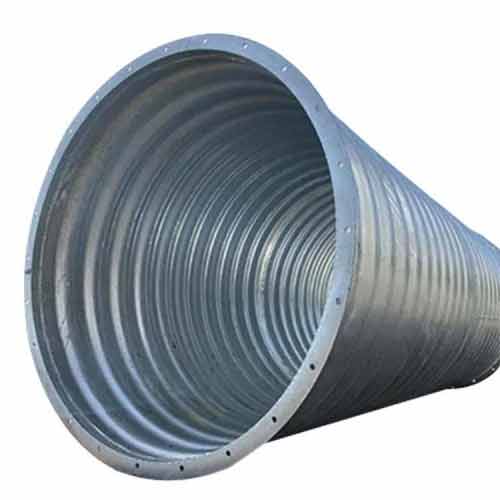
Precision fluid transfer demands components that ensure accuracy, reliability, and minimal contamination. Corrugated metal tubing emerges as a superior solution in this domain, offering unique advantages over traditional smooth-bore alternatives. Its defining characteristic is the series of parallel ridges and grooves running along its length, which impart exceptional flexibility without compromising structural integrity. This design allows the tubing to absorb vibrations, accommodate thermal expansion, and navigate complex routing paths common in sophisticated fluid systems, making it indispensable for applications where movement or stress is a factor. The inherent strength of the metal construction also provides excellent pressure resistance, crucial for maintaining system stability under varying operational conditions.
The material composition of corrugated metal tubing is critical for precision applications. Typically manufactured from stainless steel alloys like 316L or high-grade alloys such as Inconel, these tubes resist corrosion from aggressive chemicals, high temperatures, and biological media often encountered in pharmaceutical, biotech, and semiconductor manufacturing. The smooth inner surface finish achievable during manufacturing minimizes friction and potential particle generation, which is paramount for maintaining the purity of transferred fluids. Furthermore, the non-porous nature of metal prevents absorption or leaching of contaminants, ensuring the fluid's composition remains unaltered throughout the transfer process.
Key applications leveraging the benefits of corrugated metal tubing include peristaltic pump systems, analytical instrumentation sample lines, chromatography modules, and sensor connections. In peristaltic pumps, the tubing's flexibility withstands the cyclical compression required for pumping action, while its durability ensures long service life even with abrasive slurries. For analytical instruments, the tubing provides inert pathways for sensitive samples, preventing interaction with the container material. Its ability to be formed into tight coils or intricate shapes makes it ideal for compact instrument designs where space is constrained but performance cannot be compromised.
Installation and integration of corrugated metal tubing require specific considerations. While highly flexible, excessive bending radiuses should be avoided to prevent kinking and restriction of flow. Proper support clamps designed for corrugated profiles help maintain alignment and reduce stress concentrations. Connection methods often involve specialized ferrules or orbital welding to achieve leak-tight seals compatible with ultra-high purity standards. Compatibility with industry-standard tube sizes facilitates retrofitting into existing systems or incorporation into new designs using modular components.
In conclusion, corrugated metal tubing represents a critical advancement in fluid handling technology for precision applications. By combining flexibility, strength, chemical resistance, and cleanability, it addresses the complex challenges of transferring sensitive or demanding fluids. Its role in enhancing system longevity, reliability, and performance underscores its value across diverse industries requiring meticulous fluid control, from life sciences research to advanced manufacturing processes.
Previous article:Durable Drainage Solutions with Culvert Pipe
Next article:Culvert Pipe: The Backbone of Drainage Infrastructure
Hot products
Mobile: +86 15369229308
Email:metalproducts2025@163.com
Email:565169797@qq.com