Durable Drainage Solutions with Culvert Pipe
Release time:2026-01-08 Click:23
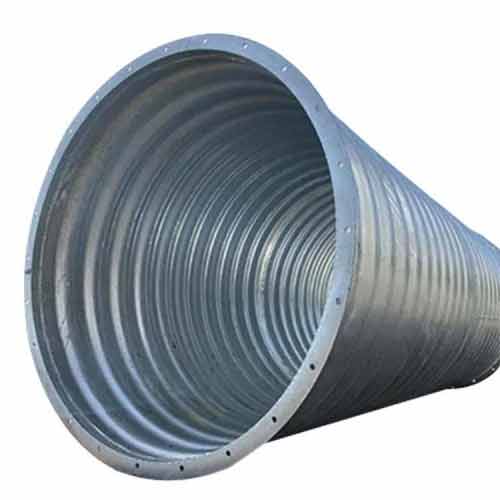
A culvert pipe is a critical infrastructure component used to channel water flow under roads, railways, or embankments, preventing flooding and soil erosion. Typically made from corrugated steel, concrete, or high-density polyethylene (HDPE), these pipes are designed to withstand significant earth loads and hydraulic pressure. The primary function of a culvert is to maintain the natural drainage path of a watercourse while supporting the weight of the traffic or ground above it, making it indispensable in both rural and urban civil engineering projects.
The structural design of a culvert pipe often features a corrugated or arched profile to enhance its moment of inertia and distribute external loads evenly. This shape allows the pipe to resist crushing forces from heavy vehicles or deep burial depths without deforming. For environmental protection, culverts are often galvanized or coated with asphalt to prevent rust and corrosion caused by constant exposure to moisture and soil chemicals. In ecological restoration projects, "arch" culverts are preferred as they mimic natural stream beds, allowing fish and aquatic life to pass through freely without obstruction.
Installation of a culvert pipe requires precise site preparation, including compacting the bedding layer to ensure uniform support and prevent settlement. The pipe must be aligned correctly to manage water velocity; if the slope is too steep, water may erode the outlet, while a shallow slope may cause sediment buildup inside the pipe. Regular maintenance involves inspecting for blockages caused by debris or sediment accumulation and checking for structural integrity at the inlet and outlet points. A well-installed culvert pipe ensures long-term resilience against extreme weather events, safeguarding the surrounding infrastructure and environment.
Previous article:High-Strength Highway Culverts Corrugated Pipe for Heavy Loads
Next article:Corrugated Metal Tubing for Precision Fluid Transfer
Hot products
Mobile: +86 15369229308
Email:metalproducts2025@163.com
Email:565169797@qq.com