Culvert Pipe: The Backbone of Drainage Infrastructure
Release time:2026-01-11 Click:23
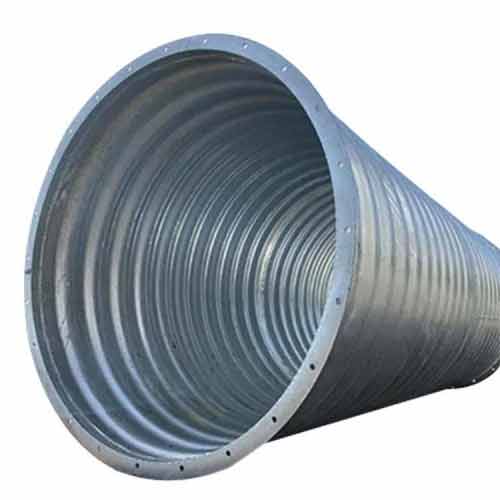
A culvert pipe is a crucial component of modern drainage and transportation infrastructure. Typically installed beneath roads, driveways, and embankments, its primary function is to channel water from one side to the other, preventing flooding and erosion. These pipes are commonly made from materials like corrugated metal, concrete, or plastic, each chosen for its durability, strength, and suitability for the specific environmental load and water flow requirements. Without properly installed and maintained culvert pipes, roadways would be frequently compromised by water damage, leading to unsafe conditions and costly repairs.
The installation and design of a culvert pipe require careful engineering consideration. Factors such as the expected volume of water flow, the span of the crossing, and the load from above-ground traffic must all be calculated. Hydraulic efficiency is paramount; the pipe must be sized correctly to handle peak flow, often during storms, without causing upstream backup. Furthermore, the inlet and outlet ends must be protected against scour and erosion, often with headwalls or riprap, to ensure the longevity of the installation and the stability of the surrounding soil.
Maintenance is key to the long-term performance of any culvert pipe. Regular inspections are necessary to clear debris, sediment, and blockages that can impede water flow and cause overtopping. Structural integrity must also be monitored for signs of corrosion, cracking, or deformation, especially in metal or older concrete pipes. Proactive maintenance and timely replacement of compromised sections prevent catastrophic failures, safeguarding both infrastructure investments and public safety.
Previous article:Corrugated Metal Tubing for Precision Fluid Transfer
Next article:Culvert Pipe Enables Efficient Stormwater Management and Roadway Stability
Hot products
Mobile: +86 15369229308
Email:metalproducts2025@163.com
Email:565169797@qq.com