Product details description
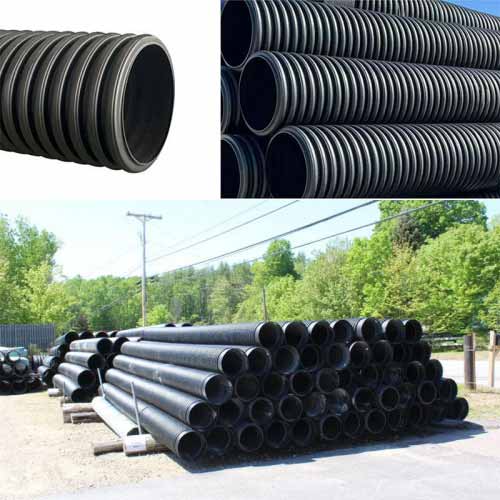
Corrugated pipe installation (used for drainage, sewage, or utility lines)
requires specialized tools to ensure proper fitting, alignment, and durability.
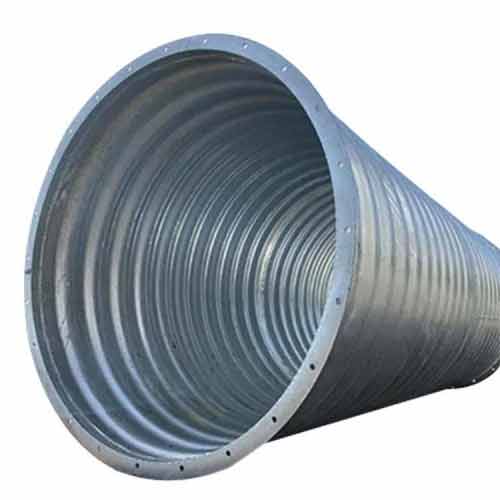
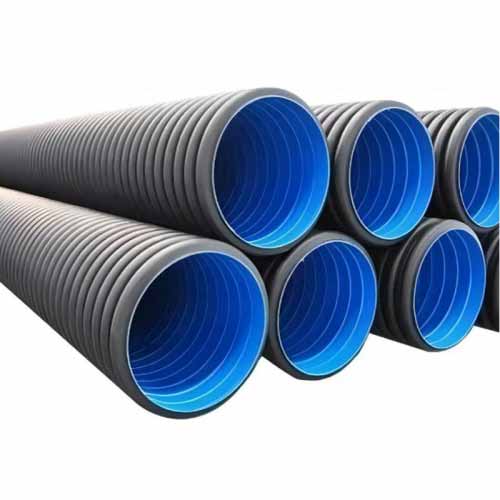
Corrugated pipes—typically made from HDPE, PVC, or metal—feature a ribbed design
that enhances strength but demands precise handling to avoid damage during
installation. The right tools streamline the process, prevent leaks, and ensure
the pipe system functions efficiently for years.
Core tools for corrugated pipe installation include cutting, joining, and
positioning equipment. A pipe cutter (manual, ratchet, or electric) is essential
for clean, straight cuts—manual cutters work for small-diameter pipes (4–6
inches), while electric cutters handle larger sizes (8+ inches) or thick-walled
pipes. A deburring tool smooths cut edges to prevent leaks and damage to
gaskets. For joining pipes, use compression fittings, couplers, or heat fusion
tools (for HDPE pipes)—heat fusion requires a specialized machine to melt pipe
ends for a seamless bond. Positioning tools like a level, tape measure, and
string line ensure the pipe is installed with proper slope (1/4 inch per foot
for drainage) to prevent standing water. Shovels, trenchers, or backhoes are
needed to dig the installation trench, while a tamper compacts soil around the
pipe for stability.
Supplementary tools and safety equipment enhance efficiency and protection.
A pipe bender (for metal corrugated pipes) creates smooth bends without kinking,
while a gasket installer ensures watertight seals for fittings. Gloves protect
hands from sharp pipe edges and debris, and safety glasses prevent dirt or
particles from entering the eyes. For deep trenches, a ladder or trench box
ensures worker safety. After installation, a pressure tester (for utility or
sewage pipes) checks for leaks. Choose tools compatible with the pipe
material—e.g., HDPE requires heat fusion tools, while PVC uses solvent cement
applicators. Regularly maintain tools (sharpen cutters, calibrate fusion
machines) to ensure precision. With the right tools, corrugated pipe
installation becomes efficient, reliable, and compliant with industry
standards.
Previous article:
Corrugated Pipe Testing Standards: Quality Control and Performance Verification
Next article:
The Metal Corrugated Pipe has emerged as a premier choice in modern engineering due to its unique structural properties