Managing Water Flow Efficiently with a Durable Drainage Culvert Pipe
Release time:2026-02-09 Click:9
Effective water management is a critical aspect of infrastructure development, particularly in areas prone to heavy rainfall or flooding. A drainage culvert pipe serves as a vital conduit that allows water to flow under roadways, railways, or embankments. By facilitating the passage of water, these pipes prevent the accumulation of water that could weaken structural foundations or cause hazardous driving conditions. Whether made from concrete, steel, or high-density polyethylene (HDPE), the primary function of a culvert pipe is to maintain the integrity of transportation networks and surrounding landscapes.
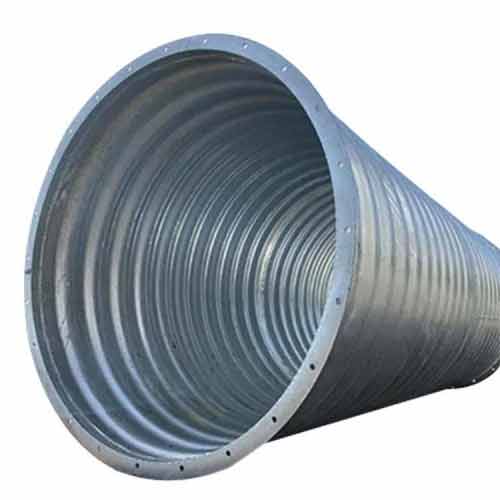
The selection of the appropriate material for a drainage culvert pipe depends largely on the environmental conditions and load requirements. Concrete pipes are favored for their immense strength and ability to withstand heavy traffic loads, making them ideal for highway crossings. Corrugated steel pipes offer flexibility and durability, allowing them to adapt to minor shifts in the soil without cracking. Alternatively, HDPE pipes are lightweight, resistant to corrosion, and easy to install, making them a popular choice for agricultural and residential drainage projects where chemical resistance is necessary.
Hydraulic performance is another crucial factor in the design of these pipes. The diameter and shape of the drainage culvert pipe must be carefully calculated to handle the expected volume of water during peak flow events. Proper sizing ensures that the water velocity is controlled to prevent scouring at the inlet and outlet, which could lead to structural failure over time. Engineers often utilize computer models to simulate water flow and determine the most efficient profile for the pipe, ensuring that the system functions optimally during severe weather events.
Long-term maintenance and durability are essential for the cost-effectiveness of any drainage system. A well-installed drainage culvert pipe should resist the abrasive effects of debris flowing through it and withstand the chemical composition of the surrounding soil. Regular inspections are necessary to check for blockages caused by sediment buildup or vegetation, which can impede water flow. By investing in high-quality materials and ensuring proper installation, municipalities and developers can create drainage solutions that protect infrastructure and public safety for decades.
Previous article:Corrugated Pipe Plastic Solutions
Next article:Double Wall Corrugated Pipe with Smooth Inner Surface
Hot products
Mobile: +86 15369229308
Email:metalproducts2025@163.com
Email:565169797@qq.com