Corrugated Pipe Plastic Solutions
Release time:2026-02-08 Click:8
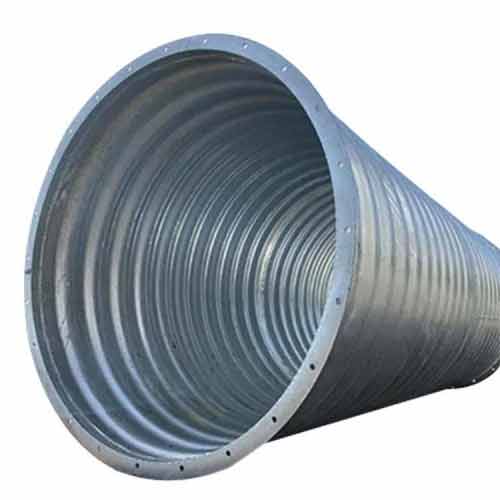
The corrugated pipe plastic has revolutionized modern civil engineering and landscaping by providing a lightweight, cost-effective, and highly durable solution for water management. Unlike traditional rigid pipes made of concrete or clay, these pipes feature a helical ridge structure that provides exceptional flexibility and crush resistance while maintaining a smooth internal bore for efficient water flow. Manufactured primarily from high-density polyethylene (HDPE) or polypropylene (PP), they are chemically inert, meaning they do not rust, corrode, or degrade when exposed to aggressive soil conditions, acidic runoff, or saltwater. This makes them the go-to choice for French drains, culverts, storm sewer systems, and agricultural irrigation.
One of the defining characteristics of corrugated pipe plastic is its remarkable flexibility. This allows the pipe to be coiled into long rolls for easy transport and installed in curves or around obstacles without the need for complex fittings or jointing. In trenchless installation methods, the pipe can be pulled through existing conduits or bored under roads and railways, significantly reducing excavation costs and surface disruption. The corrugated exterior also increases the pipe's surface area, which enhances its friction coefficient with the surrounding soil, providing better stability and preventing slippage in sloped applications. This is particularly crucial in retaining wall backfills where hydrostatic pressure needs to be relieved efficiently.
From an environmental perspective, the corrugated pipe plastic offers significant advantages over traditional materials. The production of HDPE pipes requires less energy than firing clay or mixing concrete, resulting in a lower carbon footprint. Furthermore, because they are lightweight, the fuel consumption during transportation is drastically reduced compared to heavy concrete pipes. In terms of longevity, these pipes are designed to last over 50 years without leaking or cracking. Their smooth interior walls resist sediment buildup and root intrusion, ensuring that the drainage capacity remains consistent over decades. Additionally, many modern corrugated pipes are made from recycled plastics, contributing to the circular economy by repurposing post-consumer waste into critical infrastructure.
Installation of corrugated pipe plastic is streamlined due to its lightweight nature and user-friendly joining systems. Most pipes utilize a snap-fit or bell-and-spigot connection that creates a watertight seal, often reinforced with a rubber gasket to prevent infiltration of soil or exfiltration of sewage. For perforated versions used in drainage fields, the holes are strategically placed to allow water ingress while keeping soil particles out, often wrapped in a geotextile filter fabric to prevent clogging. The flexibility of the pipe means that fewer access points are needed, and it can conform to the natural settling of the ground without breaking, a common failure point in rigid piping systems.
Finally, the economic efficiency of corrugated pipe plastic cannot be overstated. The material cost is generally lower than that of concrete or metal alternatives, and the reduced need for heavy machinery and large crews lowers labor expenses. In residential applications, homeowners can easily install drainage solutions themselves, saving on contractor fees. For municipal projects, the long lifespan and minimal maintenance requirements—usually just periodic flushing to remove debris—result in substantial lifecycle cost savings. Whether used in a backyard rain garden or a major highway drainage project, the corrugated plastic pipe remains a cornerstone of effective water management infrastructure.
Previous article:Double Wall Corrugated Pipe for Sewage Treatment Plants
Next article:Managing Water Flow Efficiently with a Durable Drainage Culvert Pipe
Hot products
Mobile: +86 15369229308
Email:metalproducts2025@163.com
Email:565169797@qq.com