Channeling Drainage and Utilities with Corrugated Steel Pipe
Release time:2026-02-10 Click:13
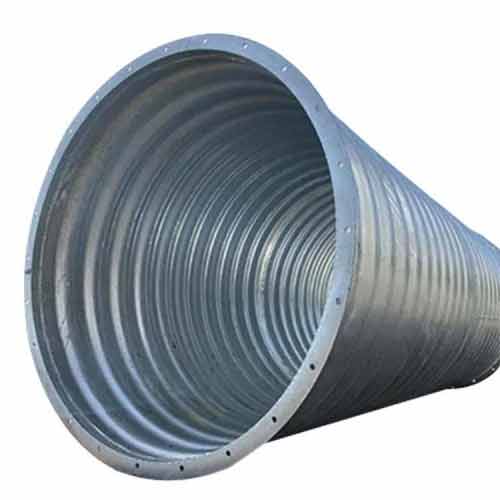
In the realms of civil engineering, construction, and agriculture, managing the flow of water, utilities, and waste is a fundamental challenge. Corrugated steel pipe provides a robust and time-tested solution for these subterranean and surface conveyance needs. Its distinctive ridged profile is not merely aesthetic; it provides significant structural advantages over smooth-walled pipes, including enhanced strength-to-weight ratio and flexibility, allowing it to withstand heavy loads and ground movement.
The manufacturing process involves forming flat steel sheets into a helical or annular corrugated pattern before seam-welding or riveting them into a tube. This corrugation dramatically increases the pipe's stiffness and resistance to ring compression from surrounding soil and traffic loads. Most corrugated steel pipe is then galvanized or coated with an asphalt compound to provide a protective barrier against corrosion, ensuring a long service life even in moderately aggressive soils.
The primary application for corrugated steel pipe is in drainage systems. It is extensively used for culverts under roads and railways, stormwater sewers, and agricultural field drainage. Its ability to be fabricated in large diameters makes it suitable for major stream enclosures and detention systems. Beyond drainage, it serves as a protective conduit for electrical and telecommunication cables, a venting pipe for foundations, and a durable sleeve for larger utility installations.
Installation of corrugated steel pipe is relatively efficient. Sections can be joined in the trench using band couplers or with bolt-and-band connections. The flexibility of the pipe allows it to conform to minor irregularities in the trench bed, reducing the need for perfect grading. For structural integrity, proper bedding material (like crushed stone) and consistent backfilling and compaction procedures are critical to prevent deformation under load.
The longevity of a corrugated steel pipe system hinges on the corrosivity of the environment. In standard soils, a galvanized coating may suffice. For highly corrosive conditions, such as industrial outfalls or coastal areas, pipes with additional polymer coatings or made from aluminized steel are specified. Regular inspection of inlet and outlet conditions can help identify potential abrasion or corrosion issues before they compromise the pipe's function.
Ultimately, corrugated steel pipe remains a cornerstone of infrastructure due to its proven durability, structural performance, and cost-effectiveness. It offers a flexible and strong solution for managing both the seen and unseen flows that support modern communities. By selecting the appropriate coating, diameter, and installation method, engineers can deploy a conveyance system that performs reliably for decades beneath our feet.
Previous article:Effective Drainage Solutions Using a Corrugated Pipe Black
Next article:The Flexible Backbone of Public Works: Reliable Municipal Corrugated Pipe
Hot products
Mobile: +86 15369229308
Email:metalproducts2025@163.com
Email:565169797@qq.com