Durable Drainage Solutions with Corrugated Pipe HDPE Systems
Release time:2026-02-18 Click:15
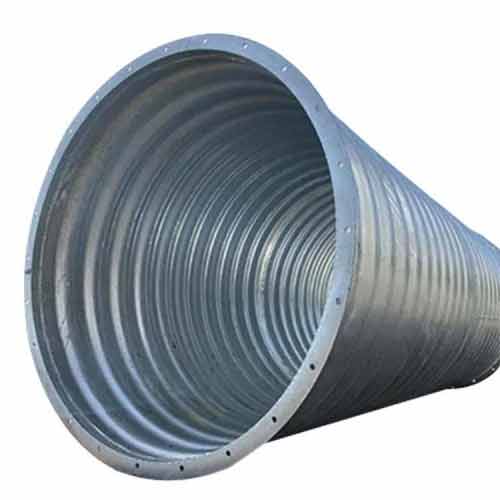
In modern civil engineering and agricultural infrastructure, the choice of piping material is critical for long-term performance and cost-efficiency. Corrugated pipe HDPE (High-Density Polyethylene) has emerged as the industry standard for drainage, culverts, and stormwater management due to its exceptional resistance to corrosion, abrasion, and chemical attack. Unlike traditional concrete or metal pipes, HDPE corrugated pipes are flexible, allowing them to withstand ground movement and heavy loads without cracking. The corrugated design not only provides structural rigidity but also enhances hydraulic flow, reducing the risk of blockages. This makes them ideal for applications ranging from highway drainage to agricultural irrigation, where longevity and low maintenance are paramount.
The manufacturing process of corrugated pipe HDPE involves extrusion, where molten plastic is forced through a die to create the characteristic ribbed profile. The high-density polyethylene used is a thermoplastic polymer known for its high strength-to-density ratio, making it lightweight yet incredibly durable.It is resistant to a wide range of chemicals, including acids, alkalis, and salts, which makes it perfect for transporting industrial effluents or sewage. The smooth inner wall of the pipe reduces friction loss, allowing fluids to flow more efficiently compared to rougher materials like concrete. Additionally, the material is non-toxic and does not leach harmful substances into the environment, making it a safe choice for potable water systems and environmental protection projects.
Installation of corrugated pipe HDPE is significantly more efficient than traditional methods. Because the pipes are lightweight, they can be transported and handled by smaller crews without the need for heavy cranes. The flexibility of the material allows for long, continuous runs with fewer joints, reducing the potential for leaks. Connections are typically made using gasketed bell-and-spigot joints or heat-fusion welding, creating a monolithic structure that is impervious to root intrusion. The pipes can be installed in a variety of trench configurations, including shallow trenches in areas with high water tables, as the material is impermeable and buoyant. This adaptability makes it a favorite among contractors working in challenging terrains or tight urban spaces.
One of the most compelling advantages of corrugated pipe HDPE is its environmental sustainability. The material is fully recyclable, and many manufacturers incorporate post-consumer recycled plastic into their production processes, reducing the carbon footprint. The long service life of HDPE pipes—often exceeding 50 years—means they do not need to be replaced frequently, reducing construction waste and the energy required for manufacturing replacements. Furthermore, the smooth interior prevents sediment buildup, which reduces the need for cleaning and maintenance over the pipe's lifespan. In coastal areas, the material's resistance to saltwater corrosion ensures that infrastructure remains intact even in harsh marine environments.
Finally, the economic benefits of corrugated pipe HDPE are undeniable. While the initial material cost may be slightly higher than some alternatives, the total lifecycle cost is significantly lower due to reduced installation labor, minimal maintenance, and extended durability. The lightweight nature of the pipes also reduces transportation costs and fuel consumption. For municipalities and developers, this translates into budget savings that can be allocated to other critical infrastructure projects. Whether used for a small residential drainage project or a massive highway culvert system, HDPE corrugated pipe offers a reliable, future-proof solution that balances performance with fiscal responsibility.
Previous article:Ensure Steady Flow with Water Pipes
Next article:Premium Metal Corrugated Pipe Solutions for Industrial Applications
Hot products
Mobile: +86 15369229308
Email:metalproducts2025@163.com
Email:565169797@qq.com