Structural Advantages of Flexible Corrugated Tube in Industrial Applications
Release time:2026-02-11 Click:13
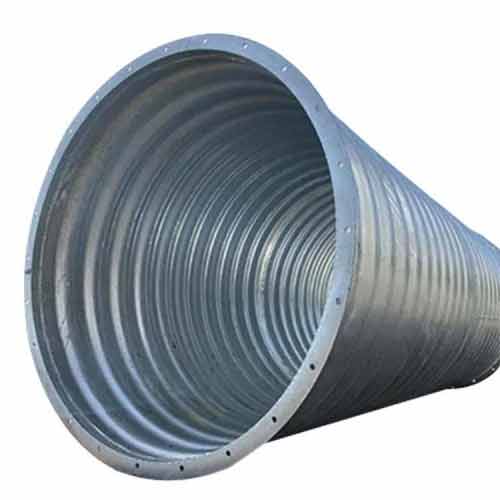
In the realm of fluid transport and cable protection, the need for materials that can withstand bending and vibration while maintaining internal integrity is paramount. The corrugated tube, with its distinct ribbed structure, offers a superior solution compared to smooth-walled pipes. These tubes are engineered to provide flexibility without compromising strength, allowing them to route around obstacles in tight spaces. Whether used to protect fiber optic cables in data centers or to transport aggressive chemicals in processing plants, the corrugated tube serves as a vital protective barrier that extends the lifespan of the systems it encases.
The mechanical strength of a corrugated tube is derived from its geometry. The alternating ridges and valleys create a moment of inertia that resists crushing and kinking far better than smooth tubes of the same material thickness. This structural rigidity allows the tube to bear significant external loads, such as being buried underground or run under heavy machinery, while protecting the delicate contents inside. Furthermore, the corrugations act as expansion joints, absorbing thermal expansion and contraction. This prevents stress buildup in the pipeline, reducing the risk of catastrophic failure in high-temperature environments where rigid pipes would crack.
Material selection for corrugated tube manufacturing is diverse, ranging from high-density polyethylene (HDPE) for drainage to stainless steel for high-pressure hydraulic lines. Stainless steel variants are particularly valued in the automotive and aerospace industries for their ability to withstand extreme heat and corrosion. The interlocking or welded seams of metal corrugated tube ensure a gas-tight seal, making them ideal for exhaust systems where leak prevention is critical. On the other hand, plastic versions offer excellent chemical resistance and are lightweight, making them easier to install in long runs without the need for heavy support structures.
Installation efficiency is another key benefit of using corrugated tube. Because of its flexibility, it requires fewer fittings and elbows than rigid piping systems. This not only reduces the material cost but also minimizes potential leak points associated with joints. In electrical applications, the corrugated tube can be pulled through walls and ceilings with ease, and its inner surface is often designed with a low-friction coating to facilitate wire pulling. For plumbing, the flexibility allows plumbers to navigate complex building layouts without cutting into structural beams, preserving the integrity of the building while ensuring efficient drainage or water supply.
Looking ahead, the evolution of the corrugated tube is moving towards "smart" integration. Researchers are developing tubes with embedded sensors to monitor flow rates, temperature, and structural integrity in real-time. These smart tubes can alert maintenance crews to blockages or material fatigue before a failure occurs. Additionally, advancements in polymer science are leading to biodegradable corrugated tube options for temporary construction and agricultural use, addressing environmental concerns. As infrastructure becomes more complex, the adaptability and resilience of the corrugated tube will ensure it remains a cornerstone of engineering design.
Previous article:The Professional's Choice for Reliable Subsurface Drainage: Corrugated Pipe
Next article:Enhance Underground Systems with PVC Corrugated Pipe
Hot products
Mobile: +86 15369229308
Email:metalproducts2025@163.com
Email:565169797@qq.com